In This Article
Every brownie lives or dies by its tin. You can spend a fortune on single-origin chocolate and still end up with a slab that is cakey at the edges, soupy in the middle and welded to the base. The culprit is usually a tin that is too thin, too shallow or too keen to pass heat to the outer walls before the centre has had a chance.
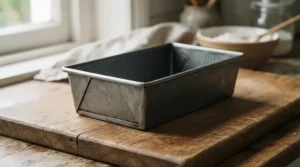
A deep square tin for brownies and traybakes fixes most of that in one go. Tall walls hold a thick batter. The square footprint gives tidy portions. The right metal keeps the oven’s heat civilised.
The catch is the shopping. Search for a deep square tin for brownies and traybakes and you meet a wall of near-identical metal boxes, from budget-friendly to heirloom-priced, all promising “perfect results”. Four details decide the outcome: depth, corner shape, metal and finish, and base design.
This guide compares seven real tins available to UK bakers, from budget to premium. It explains what each spec means in practice and why a square brownie tin with sharp corners behaves differently from a rounded one. It also untangles the slippery phrase “anodised steel”, shows you how to cut a parchment sling and works out what a tin really costs per bake.
Everything here rests on published specs, retailer listings and independent tests such as Olive magazine’s tried-and-tested brownie tin round-up. I haven’t tested these tins myself, and I won’t pretend otherwise. Prices are ranges only, so check current price and availability on Amazon UK before buying.
Quick Comparison: Seven Deep Square Tins at a Glance
| Tin | Material | Size | Price range | Best For |
|---|---|---|---|---|
| Silverwood Eyecatcher Brownie Tin | Silver anodised aluminium | 9x9x2in (about 23x23x5cm) | Around £30-£45 | Long-term fudgy centre |
| Mermaid Hard Anodised Square Brownie Tin | Hard anodised aluminium | Square (check listing) | High-£30s | Coating-free durability |
| Lakeland 23cm Loose Based Deep Square Cake Tin | Non-stick, loose base | 23cm square | Mid-teens | Crowd-sized traybakes |
| Eaziglide Neverstick Square Brownie Tin | Non-stick aluminium | 20cm square | Low £20s | Reliable all-rounder |
| Salter Marblestone Square Cake Tin | Non-stick carbon steel | 23cm square | Budget band, check current price | High-sided bargain bakes |
| Good Housekeeping Brownie Tin | Double-layer non-stick | 20cm square | Around £12 | Straight sides on a budget |
| Mermaid Silver Anodised Square Tin | Anodised aluminium | 8in (20cm) | Mid-teens to mid-£20s | Cheapest way into anodised |
Looking at the table, Eaziglide Neverstick Square Brownie Tin and Good Housekeeping Brownie Tin cover the classic 20cm size at very different price points. Lakeland 23cm Loose Based Deep Square Cake Tin and Salter Marblestone Square Cake Tin suit bigger batches. If you want a coating-free tin that should outlast your oven, Silverwood Eyecatcher Brownie Tin and Mermaid Hard Anodised Square Brownie Tin are the investment pair, with Mermaid Silver Anodised Square Tin as the cheaper way into the same metal. Prices move around, so treat the bands as guides.
💬 Just one click — help others make better buying decisions too!😊
What Is a Deep Square Tin for Brownies and Traybakes?
A deep square tin for brownies and traybakes is a straight-sided, square baking tin, usually 20cm or 23cm across, with walls of roughly 4-5cm or more. The extra height supports thick, fudgy batters, the square footprint cuts into neat portions, and crisp internal corners give clean-edged slabs of brownies, flapjacks, blondies and traybakes.
Size matters more than most buyers expect. A Food Republic interview with a pastry chef suggests 8×8 or 9×9 inch tins give the most evenly baked brownies, and that gooey, deep brownies need a deeper pan. That maps neatly onto 20cm and 23cm square tins.
Recipe writers agree on the danger zone. Too small and the batter overflows. Too large and you get thin, drier brownies that need shorter baking. Pick the footprint your favourite recipe was written for, then buy depth as insurance.
Top 7 Deep Square Tins for Brownies and Traybakes: Expert Analysis
Seven real tins follow, from heritage-brand premium to sensible budget. Review data is only quoted where it genuinely exists. Where it doesn’t, I say so.
1. Silverwood Eyecatcher Brownie Tin — handmade anodised aluminium, 2in deep
The standout here is provenance. This tin is handmade in Birmingham from silver anodised aluminium, a material Silverwood has used for decades. At 9x9x2 inches (roughly 23cm square and 5cm deep), it is deeper than many shallow brownie trays, so thick batter has room to rise without lapping the rim.
The retailer notes that anodised aluminium heats quickly and evenly, which targets the classic brownie problem of edges setting before the middle is ready. That is the route to a fudgy centre with chewy edges rather than a dry perimeter. The listing also highlights lifting the whole bake out in one clean piece. Pair that with a parchment sling and slicing happens on a board, not in the tin.
Reviewers of Silverwood’s smaller square tin on eBay praise even heat and genuinely square corners. I couldn’t verify review data for this exact tin.
Pros:
- ✅ Quick, even heat for edge-to-centre balance
- ✅ 5cm depth handles thick batter
- ✅ Handmade in Britain, built for decades
Cons:
- ❌ Premium price compared with coated tins
- ❌ Bare anodised surface needs lining and hand washing
Price range: around £30-£45. Value verdict: expensive on day one, but cheap per bake if you bake weekly for years.
2. Mermaid Hard Anodised Square Brownie Tin — coating-free British durability
Hard anodising is the thick-skinned cousin of standard anodising. It builds a tougher oxide layer into the aluminium rather than painting a coating on top. The maker describes the tin as highly conductive and aimed squarely at gooey brownies and square cakes. Mermaid has been making aluminium bakeware in Birmingham for over a hundred years, and the retailer Buy Me Once sells it as a buy-once piece.
In practice, no coating means nothing to flake into your bake and no PTFE to nurse. Buy Me Once’s own brownie recipe names it as their favourite tin because of the even baking and durability. That is a retailer endorsement, not an independent review. I found no independent review data for this tin.
It suits bakers tired of replacing coated tins every few years. Expect to line it, because anodised aluminium becomes more naturally non-stick with use rather than arriving slippery.
Pros:
- ✅ No non-stick coating to chip or flake
- ✅ Fast, even heat conduction
- ✅ Over a century of British bakeware heritage
Cons:
- ❌ High price against coated alternatives
- ❌ Listing doesn’t state depth, so check dimensions
Price range: the high-£30s. Value verdict: a “buy once” proposition that rewards regular bakers.
3. Lakeland 23cm Loose Based Deep Square Cake Tin — easy release for bigger bakes
Lakeland positions this tin as just as handy for brownies and traybakes as for larger bakes, thanks to its loose base and professional-quality non-stick coating. The 23cm footprint is the larger of the two common sizes. With a recipe written for 20cm, the slab will come out thinner and finish sooner. For a doubled mix or a party traybake, it is a better fit.
The loose base is the practical hero. Push up from below and the brownie rises out intact, so there are no knife scars on the coating. Brownie batter is thick enough that leaks are rarely the issue, but a snug-fitting base is still worth checking. The 20cm sibling lists oven-, freezer- and dishwasher-safe, so confirm the same for the 23cm.
Lakeland’s listing shows five stars from six reviews, with one reviewer noting cakes release without trouble. That is a small sample.
Pros:
- ✅ Loose base lifts bakes out cleanly
- ✅ 23cm size suits crowds and doubled batches
- ✅ Affordable for a branded tin
Cons:
- ❌ Small review pool so far
- ❌ Thinner brownies if your recipe assumes 20cm
Price range: in the mid-teens. Value verdict: strong value for batch bakers.
4. Eaziglide Neverstick Square Brownie Tin — the best-reviewed 20cm in this list
This is the headline number: John Lewis shows an average of 4.90 out of 5 across 100 reviews for the 20cm version. That is the largest verifiable review pool of any tin here. Treat it as retailer-specific sentiment, not gospel.
The aluminium body matters. Aluminium conducts heat well, which helps the middle catch up with the edges. The Neverstick coating handles release. At 20cm square, it matches the footprint of countless UK brownie recipes, so you won’t need to adjust times or batter volume. That makes it a low-drama choice for newer bakers.
What the listing I found doesn’t spell out is depth, so check the dimensions if you bake very thick, fudgy slabs. Reviewers’ scores suggest broad satisfaction, but I can’t point to specific recurring complaints without inventing them.
Pros:
- ✅ Strong verified review score
- ✅ Aluminium body for even heat
- ✅ Classic 20cm size matches most recipes
Cons:
- ❌ Pricier than generic coated tins
- ❌ Depth isn’t stated on the listing
Price range: the low £20s. Value verdict: the safest all-rounder if reviews drive your decision.
5. Salter Marblestone Square Cake Tin — high-sided carbon steel on a budget
Salter’s listing calls this a lightweight carbon steel tin with a non-stick, PFOA-free coating, oven-safe to 220°C, with high sides. It is also tagged as a deep brownie tin. At 23cm square, it sits in the larger-batch category alongside the Lakeland.
Here is where “anodised steel” confusion bites. This tin is coated steel, not anodised anything. Carbon steel heats fast and cheaply, though darker coatings can brown edges quickly. If your brownies’ edges tend to catch, drop the oven temperature slightly or pull the bake a couple of minutes early. A 220°C rating is comfortably above brownie temperatures.
I couldn’t verify customer reviews for this tin, so there’s no sentiment to report. Judge it on specs and your own tolerance for a lighter-gauge tin.
Pros:
- ✅ High sides suit thick batters
- ✅ 220°C oven rating, PFOA-free coating
- ✅ Budget-friendly steel construction
Cons:
- ❌ Lightweight build may flex or warp over time
- ❌ No verifiable review data found
Price range: budget band, so check current price. Value verdict: a sensible low-risk try-out for casual bakers.
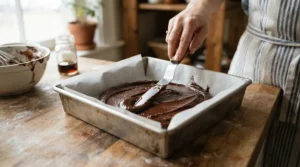
6. Good Housekeeping Brownie Tin — straight sides and tight corners for around £12
The standout is the brief: the listing promises straight sides and corners, with a superior double-layer non-stick coating and heavy-duty material, in an 8in/20cm size. For anyone chasing a square brownie tin with sharp corners, that wording matters. Sharp internal corners produce crisp-edged squares that stack neatly.
A double-layer coating is meant to help release, and heavy-duty metal should resist warping at brownie temperatures. Neither claim is independently verified here, because I found no reviews of this tin. The 20cm size is bang on for most UK recipes.
Treat the coating gently. No metal utensils, no cutting in the tin, and line it anyway. That habit protects any coated tin and gives you a parchment sling for free.
Pros:
- ✅ Straight sides and crisp corners
- ✅ Double-layer non-stick coating
- ✅ Wallet-friendly for everyday traybakes
Cons:
- ❌ No independent reviews found
- ❌ Coating limits how you cut and clean
Price range: around £12. Value verdict: an inexpensive sharp-cornered workhorse.
7. Mermaid Silver Anodised Square Tin — the cheaper way into anodised aluminium
The standout is access. Retailer Harts of Stur lists this 8-inch tin as made in Britain, oven-safe to 230°C, hand-wash only, rust resistant and covered by a lifetime guarantee. The same tin has appeared with a sale price at roughly half the listed RRP. Sous Chef calls the square sandwich tin ideal for brownies, blondies and American-style sheet cakes, and it doubles for no-bake fridge cakes.
The caution is depth. Sandwich tins are often shallower than the deep tins above, so check the internal height before pouring in thick batter. For a 20cm recipe with a modest depth of batter, it should be fine.
Anodised aluminium means no coating to degrade. It heats evenly and becomes progressively more non-stick with use. I couldn’t verify independent reviews for this exact tin.
Pros:
- ✅ Anodised aluminium at a lower price tier
- ✅ Lifetime guarantee listed by the retailer
- ✅ Doubles for fridge bakes and roasting
Cons:
- ❌ Depth may be shallower than deep-tin rivals
- ❌ Hand washing only
Price range: mid-teens to mid-£20s depending on retailer. Value verdict: the sweet spot if you want anodised but not a premium bill.
Top 7 Compared Side by Side
| Tin | Finish | Review signal found | Price range | Best For |
|---|---|---|---|---|
| Silverwood Eyecatcher Brownie Tin | Bare anodised aluminium | Praise for the brand’s even heat; none for this exact tin | £30-£45 | Silverwood Eyecatcher Brownie Tin for decade-long bakers |
| Mermaid Hard Anodised Square Brownie Tin | Hard anodised aluminium | Retailer recipe endorsement only | High-£30s | Mermaid Hard Anodised Square Brownie Tin for coating-avoiders |
| Lakeland 23cm Loose Based Deep Square Cake Tin | Non-stick, loose base | Five stars from six reviews | Mid-teens | Lakeland 23cm Loose Based Deep Square Cake Tin for crowds |
| Eaziglide Neverstick Square Brownie Tin | Non-stick aluminium | 4.90/5 across 100 reviews | Low £20s | Eaziglide Neverstick Square Brownie Tin for review-led buyers |
| Salter Marblestone Square Cake Tin | Non-stick carbon steel | Not verified | Budget band | Salter Marblestone Square Cake Tin for tight budgets |
| Good Housekeeping Brownie Tin | Double-layer non-stick | Not verified | Around £12 | Good Housekeeping Brownie Tin for crisp corners cheaply |
| Mermaid Silver Anodised Square Tin | Anodised aluminium | Not verified, lifetime guarantee listed | Mid-teens to mid-£20s | Mermaid Silver Anodised Square Tin for affordable anodised |
The strongest verifiable evidence points to Eaziglide Neverstick Square Brownie Tin, whose review volume outstrips everything else in the group. Where reviews are missing, as with Salter Marblestone Square Cake Tin and Good Housekeeping Brownie Tin, the specs alone make a reasonable but unproven case. If longevity beats everything, the anodised trio of Silverwood Eyecatcher Brownie Tin, Mermaid Hard Anodised Square Brownie Tin and Mermaid Silver Anodised Square Tin is the logical shortlist.
How to Choose a Deep Square Tin for Brownies and Traybakes
Follow these steps in order. Each one narrows the field.
- Match the footprint to your recipe. Most UK brownie recipes assume a 20cm square tin, and bigger-batch traybakes suit 23cm. Olive’s recipe notes confirm you can swap in an oblong or round tin of roughly equal size, but baking times will shift.
- Check depth, not just width. Aim for 4-5cm or more. Anything shallower limits batter volume and fudgy centre potential.
- Choose your metal deliberately. Anodised aluminium gives even heat with no coating. Coated aluminium adds easy release. Coated carbon steel is the cheapest route but typically the lightest.
- Look for straight walls and sharp corners. Rounded corners create rounded squares and crowded portions. Straight sides stack and slice neatly.
- Decide on a loose or fixed base. A loose base lifts out cleanly, while a fixed base is simpler and pairs well with a parchment sling.
- Check care instructions. Dishwasher-safe is convenient, but many anodised tins are hand-wash only. Confirm the oven rating too.
- Weigh up cost per bake. A pricier tin used weekly for years often costs less per bake than a cheap one replaced every few seasons.
Anodised Steel, Anodised Aluminium and Non-Stick: What the Label Really Means
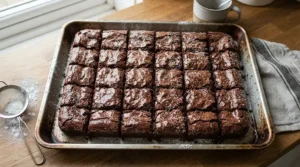
“Anodised steel” is a phrase shoppers type into search boxes constantly. In practice, anodising is an electrolytic process that thickens the natural oxide layer on a metal’s surface, and it is most commonly applied to aluminium alloys. Steel isn’t part of the usual picture. So when a listing says anodised steel, read the small print: you are probably looking at aluminium or at a coated steel tin.
Why does this matter? Anodised aluminium is hard and corrosion-resistant, but the layer isn’t a non-stick film. Silverwood’s own materials say its anodised surface is naturally easy-release and improves with use. In other words, it gets better with age instead of wearing out like a coating. The trade-off is lining the tin and hand washing.
Coated carbon steel, like the Salter Marblestone Square Cake Tin, relies on a non-stick layer for release. It is cheaper and lighter but more vulnerable to scratches.
Anodising also doesn’t increase the strength of the aluminium, so a thin tin is still a thin tin. For fudge brownies, the real difference is heat behaviour. Aluminium spreads heat quickly and evenly, which is why both Mermaid anodised options and the Silverwood Eyecatcher Brownie Tin attract serious bakers.
Deep Square Cake Tin for Fudge Brownies: Sharp Corners and a Fudgy Centre
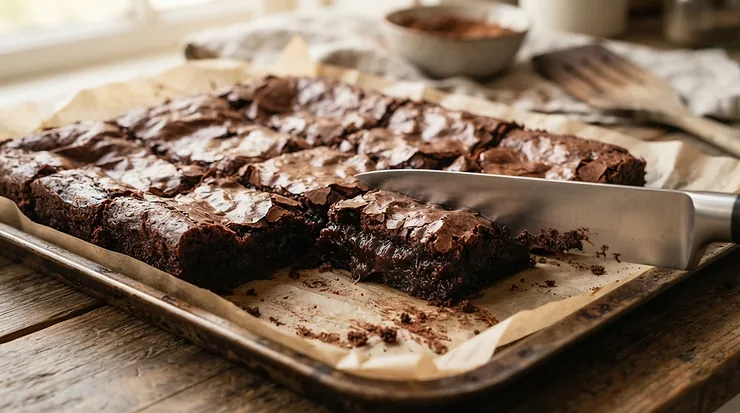
A deep square cake tin for fudge brownies does three jobs. It holds enough batter to keep the middle insulated, it exposes less edge relative to bulk, and it gives you clean slices. Depth keeps that fudgy centre protected while the outer inch bakes through.
Corners matter more than people think. A square brownie tin with sharp corners packs batter right into the corner, so each portion has a proper crisp-edged point. Rounded-corner tins leave stubby squares and more crust. Good Housekeeping Brownie Tin explicitly promises straight sides and corners, and reviewers of Silverwood’s square tin have praised true square corners.
Heat is the final piece. Edges of any metal tin run hotter than the middle, which is why the perimeter dries first. Aluminium helps by moving heat across the tin faster. You can also pull the brownies when the top still has a slight wobble and the edges just start to leave the sides, a tip from several UK recipe bloggers. Shave a couple of minutes off the bake for gooier results.
How to Make a Parchment Sling (and Use It Properly)
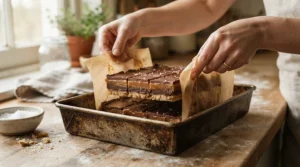
A parchment sling is a single strip of baking paper that lines the base and two opposite sides of your tin, with overhang you can grip. Even non-stick tins benefit from lining, as brownies are notoriously difficult to remove without it. RecipeTin Eats makes the same point about leaving overhang so the brownies can be lifted out.
Here is the method:
- Cut two strips. Make each as wide as the tin and long enough to cross the base and hang 5cm over each rim.
- Grease lightly. A dab of butter in the tin holds the paper in place.
- Lay the first strip, then place the second across it at 90 degrees. The two overlapping strips cover all four sides, which helps with sharp corners.
- Crease into the corners. Press the paper firmly so the batter fills the corners, not the folds.
- Pour, bake and cool in the tin. Cooling firms the bake.
- Lift out using the overhang and slice on a board.
Common mistake: skipping the cooling step and lifting a hot brownie. Fudgy centres need time to set. Another tip: chilling overnight makes cleaner slices.
Problem → Solution: Fixing Five Common Brownie Tin Headaches
Dry edges, raw middle. Metal edges run hotter than the centre. Use aluminium, like the Eaziglide Neverstick Square Brownie Tin, and bake a touch cooler. Take the tin out while the middle still has a gentle wobble.
Brownies stick in the corners. Fit a parchment sling and press paper into every corner. Don’t rely on coating alone, even on Good Housekeeping Brownie Tin.
Brownies come out too thin. The tin is too big for the recipe. Move from 23cm to 20cm, or use a Lakeland 23cm Loose Based Deep Square Cake Tin only for doubled mixes.
Brownies taste cakey. Often it is overbaking. One recipe writer suggests trimming two minutes for a gooier bake or adding two minutes for a firmer one. Adjust in small steps.
Messy slices. Cool fully, ideally chill overnight, then use a long knife. Lift out with the sling, and cut on a board rather than scratching a coating. Silverwood’s brownie tin is designed for that clean-lift approach.
Which Tin Suits Which Baker? A Buyer’s Decision Framework
- If you bake weekly and want a tin for decades, choose Silverwood Eyecatcher Brownie Tin or Mermaid Hard Anodised Square Brownie Tin, because bare aluminium has no coating to wear out.
- If you want anodised aluminium without the top-tier price, choose Mermaid Silver Anodised Square Tin, but check depth first.
- If reviews drive your decisions, choose Eaziglide Neverstick Square Brownie Tin, thanks to its 4.90/5 rating across 100 reviews at John Lewis.
- If you cook for crowds, choose Lakeland 23cm Loose Based Deep Square Cake Tin, because the larger footprint takes bigger batches.
- If budget is tight, choose Good Housekeeping Brownie Tin for crisp corners or Salter Marblestone Square Cake Tin for high sides.
- If you hate lining, accept it anyway. Every tin here works better with a parchment sling.
✨ Don’t Miss These Exclusive Deals!
🔍 Take your brownie baking to the next level with these carefully selected tins. Click on any highlighted tin to check current pricing and availability. These tools will help you create authentic fudgy brownies your family will love! 🍫
Deep Square Tin vs Shallow Brownie Tray: Which Wins?
| Feature | Deep square tin | Shallow brownie tray |
|---|---|---|
| Batter capacity | Holds thick slabs | Spreads thin and wide |
| Fudgy centre potential | High: more insulated middle | Lower: bakes through faster |
| Edge-to-centre ratio | Fewer crisp edges per portion | More edge pieces |
| Slicing neatness | Tall, clean squares | Flatter pieces |
| Best For | Fudge brownies and thick traybakes | Crusty-edge lovers and quick bakes |
Looking at the table, depth is a texture decision as much as a size one. A deep square tin wins when you want soft, fudgy centres and chunky portions, as with the Silverwood Eyecatcher Brownie Tin. A shallow tray suits people chasing crunchy edges, since more of the bake sits close to the metal. If you only own one tin, depth gives you more flexibility, because you can always bake a smaller batch in a bigger tin.
Long-Term Cost & Maintenance
The sticker price rarely tells the real story. Take a tin baked weekly for five years, roughly 260 bakes. This is an assumption, not a measured lifespan.
| Tin type | Price band | Approx. cost per bake over 5 years |
|---|---|---|
| Good Housekeeping Brownie Tin (coated) | Around £12 | About 5p |
| Eaziglide Neverstick Square Brownie Tin (coated aluminium) | Low £20s | About 8p |
| Mermaid Hard Anodised Square Brownie Tin (anodised) | High-£30s | About 14p |
Looking at the numbers, even the dearest tin works out at pennies per bake. The better question is replacement. Coated tins can lose their finish if scratched, and you may buy again. Anodised aluminium has no coating to peel, and Mermaid Silver Anodised Square Tin carries a lifetime guarantee on its retailer listing, though terms vary. Maintenance is simple: hand wash anodised tins, use wooden or silicone tools on coated ones and never cut brownies in the tin.
Safety, Coatings and UK Regulations
Bakeware counts as a food contact material, which means it must not transfer harmful substances to food. The UK’s food contact materials regulations guidance on GOV.UK sets out the framework for England, Wales and Northern Ireland. Trading Standards guidance adds that businesses supplying such materials should be able to provide written evidence of compliance.
For shoppers, this translates into practical habits. Buy from reputable sellers. Check whether the listing states coating details, such as the PFOA-free claim on the Salter Marblestone Square Cake Tin. Respect oven temperature ratings, like the 220°C limit on that tin or the 230°C figure listed for Mermaid Silver Anodised Square Tin.
Finally, retire coated tins when the surface is visibly flaking. Anodised aluminium avoids that issue entirely, but a badly dented or warped tin still bakes unevenly. Care instructions on the packaging take priority over any general advice here.
FAQ
❓ What size tin gives the best fudgy centre in a standard brownie recipe?
❓ Is a loose-bottomed tin a good choice for brownies?
❓ Do I still need to line a non-stick brownie tin?
❓ Is an anodised steel brownie tin better than a non-stick one?
❓ How deep should a deep square cake tin for fudge brownies be?
Conclusion
The best deep square tin for brownies and traybakes is the one that matches your recipe, your budget and your patience for care. For the strongest verifiable review evidence, Eaziglide Neverstick Square Brownie Tin stands out at around the low £20s. For crowd-sized traybakes, Lakeland 23cm Loose Based Deep Square Cake Tin is a sensible mid-teens buy. Tight budgets point to Good Housekeeping Brownie Tin for crisp corners or Salter Marblestone Square Cake Tin for high sides.
If you bake often and want a tin that outlasts trends, the anodised aluminium route is the one to watch. Silverwood Eyecatcher Brownie Tin and Mermaid Hard Anodised Square Brownie Tin cost more upfront, but they have no coating to wear out. Mermaid Silver Anodised Square Tin offers a cheaper taste of the same material, provided you check depth.
Whichever you pick, lining with a parchment sling, pulling the bake while the centre still wobbles and chilling before slicing will do more for your fudgy centre than any spec sheet. Prices and stock shift, so check current price and availability on Amazon UK before you commit.
✨ Ready to Upgrade Your Bakes?
🔍 Pick the tin that fits your oven, your budget and your sweet tooth, then click any highlighted tin to check current pricing and availability. A better tin means sharper corners, cleaner slices and a properly fudgy centre every time! 🍫
Recommended for You
- Tall Round Tin For Tiered Wedding Cake: 7 Best Picks (2026)
- Silicone Cake Mould For Easy Release: 7 Best Picks (2026)
- Non Stick Tin For Gluten Free Sponge: 7 Best Foolproof Picks (2026)
Disclaimer: This article contains affiliate links. As an Amazon Associate, I earn from qualifying purchases. If you purchase products through these links, we may earn a small commission at no additional cost to you.
✨ Found this helpful? Share it with your friends! 💬🤗
