In This Article
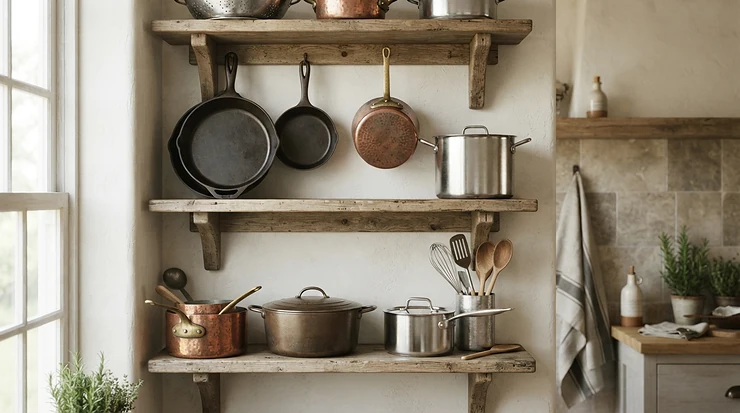
Speciality cookware pieces are purpose-built vessels, such as casserole pots, tagines, spun iron pots and braisers, designed to do one family of jobs brilliantly. That usually means slow, moisture-rich cooking that moves from hob to oven. Thick walls, tight lids and heat-retaining materials separate them from everyday saucepans, and they are the modern descendants of the Dutch oven.
Here’s the thing about a cupboard full of generic pans. They all do an adequate job, and none of them does a stew justice. A thin-walled pot scorches the base while the top bubbles lazily. A heavy, lidded casserole just gets on with it. Heat soaks in, evens out and hums along at a low simmer for three hours without supervision.
This guide narrows a crowded market down to seven real products, from budget-friendly cast iron to heirloom-grade French enamel. You’ll find the best speciality pot for slow-cooked stews, the best speciality pot for oven and stovetop use, and a few affordable niche cookware options that won’t make your bank manager flinch. Each pick comes with honest analysis grounded in published specifications and aggregated review sentiment, and I’ve mapped them to dinner party gifting too, because a good pot is one of the few presents that gets better with age.
Prices throughout are ranges, based on UK listings at the time of research. Please check current prices before buying.
Quick Comparison: The 7 Speciality Cookware Pieces at a Glance
| Product | Material | Capacity / Size | Oven & Hob Notes | Price Range | Best For |
|---|---|---|---|---|---|
| Le Creuset Signature Cast Iron Round Casserole | Enamelled cast iron | 4.2L, 24cm | Oven to 260°C; all hobs incl. induction | £300–£340 | Lifetime stew-maker |
| Staub La Cocotte Round 24cm | Enamelled cast iron | About 3.7–3.8L | All hobs incl. induction; brass knob to 250°C | £250–£340 | Self-basting braises |
| Netherton Foundry Spun Iron Dutch Oven | Spun black iron | 4L (7 pint) | Oven, induction, gas, Aga, open flame | Around £90–£120 | Lighter-weight British craft |
| Tower 24cm Round Cast Iron Casserole | Enamelled cast iron | 4L | Oven to 260°C; all hobs incl. induction | Around £40–£80 | Affordable niche cookware |
| Our Place Perfect Pot | Ceramic-coated aluminium | Around 5.5 qt (full size) | Hob and oven (version-dependent limit) | £110–£150 | Easy handling and cleaning |
| Emile Henry Flame Tagine 32cm | Flame ceramic | 3.5L | Hob and oven; check induction on listing | Around £90–£140 | Moroccan-style dishes and gifting |
| Le Creuset Cast Iron Shallow Casserole | Enamelled cast iron | Size-dependent | All hobs; high oven temperatures | Around £200–£230 | Searing, braising, serving |
Looking at the table, the Le Creuset Signature Cast Iron Round Casserole and Staub La Cocotte sit at the investment end, while the Tower 24cm Round Cast Iron Casserole is the clear entry point for anyone who wants cast iron without the premium. If you’re lifting the pot daily and weight matters more than a century-long lifespan, the Our Place Perfect Pot and Netherton Foundry Spun Iron Dutch Oven are the lighter alternatives. The Emile Henry Flame Tagine is the odd one out and the most distinctive, which makes it the best candidate for a gift.
💬 Just one click — help others make better buying decisions too!😊
Top 7 Speciality Cookware Pieces: Expert Analysis
1. Le Creuset Signature Cast Iron Round Casserole — the benchmark everything else is measured against
The 24cm size is the sweet spot for most households. It holds 4.2 litres, which is enough for a stew for four to six with leftovers, and it’s the natural pick if you want the best speciality pot for slow-cooked stews.
This is enamelled cast iron at roughly 4.3kg empty, oven-safe to 260°C and compatible with all hob types, including induction. On paper that’s just numbers. In practice the heft is the point. Mass smooths out hob hot spots and holds a low, steady simmer in the oven, while the 260°C ceiling means you can roast, bake bread or finish under the grill without worrying about the lid knob. The larger handles are easier to grip in oven gloves, which matters when the pot is full and very hot.
Based on the spec comparison, this is the piece for a cook who’ll make stews weekly for decades. The lifetime guarantee only makes sense if you plan to keep the pot that long.
Retailer review pages at the time of research showed reviewers rating the range very highly. Recurring themes were even heat and durability, with the occasional note that the weight and price take some getting used to.
Pros:
- ✅ Exceptional heat retention for steady slow cooking
- ✅ Oven-safe to 260°C and induction-ready
- ✅ Lifetime guarantee backs the long-term value
Cons:
- ❌ Heavy to lift when full
- ❌ Premium price needs a long-term mindset
Expect to pay in the £300s for the 24cm; check current price. For a keeper-for-life purchase the value verdict is strong, but it’s overkill if you only stew a few times a year.
2. Staub La Cocotte Round 24cm — self-basting lid for the juiciest braises
Staub’s party trick is the underside of the lid. It’s covered in small raised spikes that gather steam and drip it back over the food. The lid works as a closed-loop basting system without you lifting a finger.
The 24cm round holds about 3.7–3.8 litres and weighs around 4.6kg. It’s French-made, suits every hob including induction, and goes into the oven. The brass knob is rated heat-resistant to 250°C, so it handles most roasting and braising but sits slightly below the 260°C ceiling of the Le Creuset Signature Cast Iron Round Casserole. The matt black interior enamel develops a gentle browning surface, which gives you more fond for deglazing and a deeper-tasting sauce.
What most buyers overlook is the benefit for lean, forgiving-but-dry cuts such as chicken legs, pheasant or pork shoulder. The basting lid does real work there. If you mostly braise meat rather than boil soup, the Staub La Cocotte Round 24cm is arguably the better engineering choice over its more famous rival.
Retail listings show reviewers rating it highly, with the lid design and finish most often praised. I couldn’t verify a large Amazon UK review pool for this specific size, so treat that as indicative.
Pros:
- ✅ Lid spikes baste food continuously
- ✅ Matt interior supports good browning
- ✅ Beautiful oven-to-table presentation
Cons:
- ❌ Brass knob limit sits below top-end rivals
- ❌ Weighty at around 4.6kg
Pricing runs roughly £250–£340 depending on colour and retailer. A strong value verdict for braise lovers, and often a better buy than the best-known name.
3. Netherton Foundry Spun Iron Dutch Oven — British-made iron without the wrist ache
Spun iron is what you get when a craftsperson shapes a flat plate of black iron on a lathe instead of pouring molten metal. The result is a pot that keeps much of cast iron’s heat character but weighs noticeably less. This one is made in Shropshire from 99.1% pure iron.
The 4-litre (7 pint) pot comes pre-seasoned with flax oil, so it’s ready to use and free of PTFE or chemical coatings. Netherton lists it as suitable for the oven, induction, gas, electric, Aga and even open flame, which is exceptional breadth for dual oven-hob use. There’s a trade-off worth knowing. Spun iron can warp if heated too quickly, so the maker advises heating slowly and never plunging a hot pan into cold water. It’s hand-wash only.
My read is that this is the right pick for someone who loves the idea of a lifelong seasoned iron pot but finds enamelled cast iron too heavy. It also suits campers and Aga owners, and anyone who values buying from a small British foundry.
I couldn’t verify a large pool of independent customer reviews for this specific pot, so I’m relying on the manufacturer’s published specifications rather than review sentiment here.
Pros:
- ✅ Much lighter than comparable cast iron
- ✅ Works on hobs, in ovens and over flames
- ✅ Natural flax-oil seasoning, no chemical coating
Cons:
- ❌ Needs slow heating to avoid warping
- ❌ Not dishwasher safe; requires upkeep
The bowl alone sits around £90 or so, so check what’s included (lid, stand) on the current listing. Good value for the niche.
4. Tower 24cm Round Cast Iron Casserole — affordable niche cookware with a long warranty
This is the budget-conscious answer to the question “do I really need to spend £300 on a pot?” The Tower is a 4-litre enamelled cast iron casserole with a domed, dimpled lid designed to return moisture to the food.
Tower rates it for all hobs, including induction, and for the oven up to 260°C. That’s the same ceiling as the premium French pots. It also advertises a 25-year warranty (one year standard, extended on online registration). The enamel is hand-wash only, and the maker recommends non-scratch nylon tools. In practical terms you get the same cooking physics for a fraction of the outlay, with the difference showing up mainly in finish and consistency.
That difference is the crux. This is a smart purchase for first-time cast iron buyers and student kitchens. It also works for anyone who’d rather spread their budget across several speciality cookware pieces than sink it into one.
On Reviews.co.uk the 24cm casserole averaged 4.5 out of 5 from 20 reviews at the time of research, a small sample. Some owners were thrilled with quality for the money, while a few reported enamel chipping or damage on arrival, so inspect it promptly and register the warranty.
Pros:
- ✅ Genuine cast iron at a budget-friendly level
- ✅ Oven-safe to 260°C and induction compatible
- ✅ 25-year warranty on registration
Cons:
- ❌ Some reviewers report chipping enamel
- ❌ Finish less refined than premium rivals
For this class of 24cm enamelled cast iron, UK round-ups suggest roughly £40–£80, though check the current price. That makes it the best value in this list for newcomers.
5. Our Place Perfect Pot — the lightest option here, and the easiest to clean
If a cast iron pot makes your forearms wince just looking at it, this is the contrarian choice. It’s a ceramic-coated aluminium pot that weighs about 2kg, which is less than half the weight of the Le Creuset Signature Cast Iron Round Casserole.
The original full-size version holds around 5.5 quarts, has a domed lid with a built-in strainer and works on all hobs. Oven limits vary by generation, so check the version you’re buying. Earlier listings quoted around 215–220°C, while the newer 2.0 range quotes up to 230°C. The nonstick coating makes cleaning almost effortless, but there’s a catch. A nonstick surface doesn’t build much fond, so braises can taste a touch less deep than in bare or enamelled iron.
Based on the specs, this suits smaller households, anyone with limited strength and anyone who wants a single pot for pasta, soup and gentle stewing. It’s less suited to blistering oven roasts or the “keep it for 30 years” ideal.
Independent testers have rated it highly for even heating and cleaning ease. Common caveats are hot handles (use thick oven gloves) and a shorter expected lifespan than enamelled iron.
Pros:
- ✅ Remarkably light for its capacity
- ✅ Nonstick surface cleans in moments
- ✅ Lid with built-in strainer for pasta and veg
Cons:
- ❌ Lower oven ceiling than cast iron
- ❌ Coating won’t last as long as enamel
Around the £110–£150 range depending on size and version; check current price. A fair value verdict for the right buyer.
6. Emile Henry Flame Tagine 32cm — the dinner party showpiece that really cooks
A tagine is a speciality cookware piece that does what no round casserole can. The conical lid circulates steam, which returns to the food as gentle condensation. Dishes like lamb with apricots or chicken with preserved lemon end up tender and concentrated without much added liquid.
The 32cm model holds 3.5 litres and weighs about 3.7kg. It’s made from flame ceramic, which Emile Henry designs for use on the hob (with correct heat control) and in the oven. Published roundups cite an oven limit of around 450°F (about 230°C), and a 10-year guarantee. Induction listings vary, so confirm hob compatibility on the specific listing before buying. Ceramic is lighter than cast iron, but also more breakable if knocked.
This is the best dinner party gifting pick on the list, because it’s beautiful on the table and a conversation piece. Cooks who love North African flavours will use it constantly, but it’s less versatile than a round casserole for everyday soups.
Reviewers often praise the lid-to-base seal. Comparisons note it’s lighter than enamelled cast iron versions but more fragile.
Pros:
- ✅ Lid seal traps steam efficiently
- ✅ Striking oven-to-table design
- ✅ 10-year guarantee on the brand’s products
Cons:
- ❌ Ceramic is less knock-proof than iron
- ❌ Narrower use than a round casserole
A price range of around £90–£140 is typical, so check the current price. Strong value for gifting.
7. Le Creuset Cast Iron Shallow Casserole — wide base for searing, braising and serving
The shallow casserole is the underrated hero of this brand. Its wide base puts more of the food in direct contact with the heat. That means better browning for chicken thighs, short ribs and sausages before the lid goes on and everything braises gently.
It’s enamelled cast iron, designed for all heat sources, including induction and the oven. A recent UK round-up of tested casserole dishes named it the best pick for shallow casseroles, and it came out at the upper end of that list for price. Wide, low pots are also easier to serve from at the table, because you can see everything and spoon without digging.
Think of it as a companion to a deep round casserole rather than a replacement. The shallow shape reduces liquid more quickly, so it’s ideal for sauces and braises but less so for big-volume soups.
I couldn’t verify a robust review pool for this exact shape on Amazon UK, so I’m relying on the spec sheet and that UK round-up rather than aggregated owner sentiment.
Pros:
- ✅ Wide base gives superior browning contact
- ✅ Easy serving straight from the pot
- ✅ Same lifetime-guarantee brand pedigree
Cons:
- ❌ Less suited to large-volume soups
- ❌ Premium pricing for a single-purpose shape
Expect roughly £200–£230 depending on size and colour. Worth it as a second pot for a committed home cook.
How to Choose Speciality Cookware Pieces
Choosing well comes down to a handful of decisions, so work through them in this order.
- Match the pot to the dish you’ll make most. Deep pots suit stews and soups, shallow ones suit searing and braising, and tagines suit steam-driven dishes.
- Pick the material for your wrists, not just your ambitions. Enamelled cast iron is superb but heavy, while spun iron and aluminium are lighter.
- Check hob and oven compatibility. If you have an induction hob, confirm it. Then check the maximum oven temperature against how you roast.
- Choose capacity honestly. A 24cm pot (roughly 3.5–4.2 litres) suits most households of four.
- Weigh the warranty against the price. A long guarantee only helps if the brand honours it, so read the registration terms.
- Check the care rules. Hand-wash-only and slow-heating requirements are lifestyle commitments.
- Decide on a keepsake or a workhorse. A kept-for-life purchase justifies premium pricing, whereas a starter pot justifies affordable niche cookware.
The most common error is buying the prettiest pot instead of the one that fits your cooking. Colour is a delightful tie-breaker but a poor first criterion.

Best Speciality Pot for Slow-Cooked Stews: What Actually Matters
If stews are your priority, three features matter far more than anything else. They are mass, a tight lid and a wide-enough base to brown meat before the long simmer. That’s why the Le Creuset Signature Cast Iron Round Casserole and Staub La Cocotte Round 24cm keep topping UK round-ups. A heavy enamelled pot holds a barely-there simmer without hot spots, so connective tissue breaks down gently rather than boiling away.
The Staub La Cocotte Round 24cm lid adds continual basting. The Tower 24cm Round Cast Iron Casserole delivers the same physics at a lower price, with a few more risk points on finish. The Netherton Foundry Spun Iron Dutch Oven is lighter and works beautifully if you’re happy to heat slowly and maintain the seasoning.
Compare that with thin stainless pots. They need frequent stirring and a vigilant eye. For genuinely hands-off cooking, the best speciality pot for slow-cooked stews is the one whose walls are thick enough to forgive you. Browning first, adding liquid, then dropping to a low oven around 140–160°C gives most recipes the gentle, even cooking they want.
Best Speciality Pot for Oven and Stovetop Use: Understanding Dual Oven-Hob Use
Dual oven-hob use sounds simple, but “oven-safe” and “hob-safe” are two different promises. A pot may tolerate the oven but not an induction hob, or suit a gas flame but warp on a fierce ring.
The most flexible in this list are the cast iron options. The Le Creuset Signature Cast Iron Round Casserole, Tower 24cm Round Cast Iron Casserole and Staub La Cocotte Round 24cm work across hobs and in ovens up to their stated limits. The Netherton Foundry Spun Iron Dutch Oven goes further, including open flame. Ceramic and nonstick pieces such as the Emile Henry Flame Tagine and Our Place Perfect Pot need more careful reading of limits and heat settings.
Here’s the practical rule. For true dual oven-hob use, check the oven ceiling, the hob types and the lid knob rating separately. Plastic knobs are the usual weak point, and brass and stainless knobs are the safer picks. That’s why the best speciality pot for oven and stovetop use for most people is enamelled cast iron.
Speciality Cookware Pieces vs Standard Pots and Pans
| Feature | Speciality Cookware Pieces | Standard Pots & Pans | Best For |
|---|---|---|---|
| Heat retention | High; stays hot after the hob is off | Low; cools quickly | Stews and braises |
| Hob-to-oven use | Usually yes, with limits | Often limited by handles | One-pot meals |
| Tight, moisture-returning lid | Common (e.g. Staub La Cocotte Round 24cm) | Rarely | Tender meat |
| Upfront cost | Higher | Lower | Long-term buyers |
| Lifespan | Decades if cared for | A few years | Heirloom purchases |
| Weight | Often heavy | Light | Everyday lifting |
The table shows why speciality cookware pieces command a premium. They solve specific problems that standard pans solve poorly. If you cook mostly pasta, eggs and stir-fries, a good standard set suffices, but slow cooking changes the equation. Pairing a Tower 24cm Round Cast Iron Casserole with an existing frying pan covers most needs for a modest outlay, while serious slow-cookers will feel the difference with the Le Creuset Signature Cast Iron Round Casserole.
Dinner Party Gifting: Building the Best Speciality Cookware Gift Set
A good gift set is a story, not a box. The best speciality cookware gift set pairs a hero pot with one or two accessories chosen for how the recipient cooks. There’s no single universal bundle, so build one deliberately.
- The Moroccan evening. An Emile Henry Flame Tagine plus a jar of ras el hanout and a good cookbook. Striking on the table, and it suits dinner party gifting for hosts who love entertaining.
- The new-home classic. A Tower 24cm Round Cast Iron Casserole with a wooden spoon and a handwritten stew recipe. Affordable niche cookware that still feels generous.
- The heirloom. A Le Creuset Signature Cast Iron Round Casserole or Staub La Cocotte Round 24cm in the recipient’s favourite colour, ideally for weddings or milestone birthdays.
- The easy-lift option. An Our Place Perfect Pot for anyone with limited strength.
Add a silicone or wooden utensil, since both premium makers advise against metal tools on enamel. One rule applies to dinner party gifting in general. Buy for how they cook, not how you’d like them to cook. A tagine is wonderful for a cook who loves spice, but wasted on someone who lives on pasta.
✨ Ready to Build the Perfect Kitchen Collection?
🔍 Take your home cooking to the next level with these carefully selected speciality cookware pieces. Click any highlighted product to check current pricing and availability. The right pot will help you create slow-cooked, family-pleasing meals for years to come!
Affordable Niche Cookware: Where to Spend and Where to Save
You don’t need a four-figure kitchen to cook like you do. The smartest approach is to spend where mass and engineering genuinely matter and save where finish is mostly cosmetic.
| Tier | Example Pieces | Typical Price Range | Value Verdict | Best For |
|---|---|---|---|---|
| Budget | Tower 24cm Round Cast Iron Casserole | Around £40–£80 | Excellent entry value | First-time cast iron buyers |
| Mid-range | Netherton Foundry Spun Iron Dutch Oven, Our Place Perfect Pot, Emile Henry Flame Tagine | Around £90–£150 | Strong for specific needs | Lighter pots, gifting |
| Premium | Le Creuset Signature Cast Iron Round Casserole, Staub La Cocotte Round 24cm, Le Creuset Cast Iron Shallow Casserole | Around £200–£340 | Best long-term value if used often | Keepers for life |
The table makes the economics clear. A premium pot used weekly for twenty years costs pennies per use, while a budget pot used twice a year is expensive regardless of price. Starting with affordable niche cookware such as the Tower 24cm Round Cast Iron Casserole, then upgrading one piece at a time, is a sensible route. A mid-range Emile Henry Flame Tagine adds variety without the premium commitment.
Your First 30 Days: A Practical Guide to Using Speciality Cookware Pieces
Most disappointment with heavy pots comes from early mistakes. Here’s a short routine that avoids them.
Week one: set the foundations. Wash new pieces by hand and dry them immediately. For the Netherton Foundry Spun Iron Dutch Oven, follow the maker’s advice to wash in hot water without detergent and dry on a low heat. Always heat slowly, particularly on induction.
Week two: master the browning. Brown meat in batches, because overcrowding steams rather than sears. Let the pot do the work.
Week three: respect the temperature limits. Check the knob rating before roasting. Keep the Our Place Perfect Pot within its stated oven limit and use oven gloves, since the handles run hot.
Week four: learn the care routine. Avoid thermal shock, so never plunge a hot pot into cold water. Use wooden or silicone tools on enamel.
Common first-month mistakes include high heat on an empty pot, metal utensils on enamel and storing with the lid sealed tight (a paper towel inside prevents trapped moisture). Fix those four habits and the pot will repay you for decades.
Real-World Scenarios: Matching Speciality Cookware Pieces to Real Kitchens
Case studies beat abstractions, so here are three realistic profiles.
The student house-share (budget under £80, cooking twice a week). The Tower 24cm Round Cast Iron Casserole gives batch-cooking capacity and survives hob-to-oven use. Register the warranty on day one.
The retired couple (strength limited, smaller portions). Weight is the deciding factor, so an Our Place Perfect Pot makes sense, with the handles’ heat in mind. The Netherton Foundry Spun Iron Dutch Oven is the alternative if they prefer iron.
The weekend host (entertaining monthly, cooks for six). A Le Creuset Signature Cast Iron Round Casserole for stews, plus an Emile Henry Flame Tagine for showstopper evenings. The shallow Le Creuset Cast Iron Shallow Casserole can follow later.
The pattern is simple. Budget, strength and frequency of use decide the right pot more than brand does.
Problem and Solution: Common Speciality Cookware Headaches
Food sticks to my enamel. Preheat gently, use enough fat and avoid high heat. Soak, don’t scrub.
My spun iron pan rocked on the hob. Heat it slowly from cold. The Netherton Foundry Spun Iron Dutch Oven is sensitive to rapid temperature jumps.
The lid knob discoloured. Check its temperature rating. The Staub La Cocotte Round 24cm brass knob is rated to 250°C, so go lower for long roasts.
The enamel chipped. Stop using the pot if the iron is exposed, and contact the warranty provider. Reviewers of budget enamelled pots have occasionally reported chips, so inspect on arrival.
My ceramic tagine cracked. Avoid thermal shock, use a heat diffuser if the maker advises it, and warm the pot gradually. The Emile Henry Flame Tagine is robust for ceramic but not indestructible.
Safety, Care and Long-Term Cost
Safe cooking starts before the pot comes out. The Food Standards Agency has guidance on cooking food safely, including cooking meat thoroughly. Big batches also need correct cooling. The FSA’s advice on chilling and storing leftovers is worth a read, since a deep, heavy pot holds its heat for hours and slows cooling.
A practical tip for slow-cooked stews is to decant leftovers into shallow containers soon after cooking rather than leaving them in the warm pot. Reheat until steaming hot throughout.
On cost, think per use. A pot at £300 used 100 times a year for 20 years is a few pence a meal, while a £50 pot replaced twice in that period costs more. Maintenance is mostly time. Wash by hand, dry thoroughly, store with a paper towel and re-season spun iron when it looks dull. Warranties vary, so keep your receipt and register online where offered.
FAQ
❓ Can I use a casserole pot on an induction hob?
❓ Is enamelled cast iron worth it over cheaper cookware?
❓ What size speciality pot suits a family of four?
❓ What is a good speciality cookware gift for a dinner party host?
❓ Does spun iron need seasoning?
Conclusion
The best speciality cookware pieces are the ones that match how you actually cook. For a lifetime stew-maker, the Le Creuset Signature Cast Iron Round Casserole and Staub La Cocotte Round 24cm are the safest long-term bets. For anyone wanting cast iron without the premium, the Tower 24cm Round Cast Iron Casserole is the sensible entry. The Netherton Foundry Spun Iron Dutch Oven and Our Place Perfect Pot suit those who want lighter handling, and the Emile Henry Flame Tagine and Le Creuset Cast Iron Shallow Casserole add character and technique to the collection.
Start with one well-chosen pot, learn it thoroughly and expand slowly. Whether you’re shopping for yourself or planning dinner party gifting, a good pot is among the few kitchen purchases that improves with age. Check current prices and availability before you buy.
Recommended for You
- Best Tagine Pots: 7 Proven Picks For UK Kitchens (2026)
- Pressure Cooker Under £30: 7 Honest Picks For UK Kitchens (2026)
- Budget Pressure Cooker: 7 Proven Picks For UK Kitchens (2026)
Disclaimer: This article contains affiliate links. As an Amazon Associate, I earn from qualifying purchases. If you purchase products through these links, we may earn a small commission at no additional cost to you.
✨ Found this helpful? Share it with your friends! 💬🤗
