In This Article
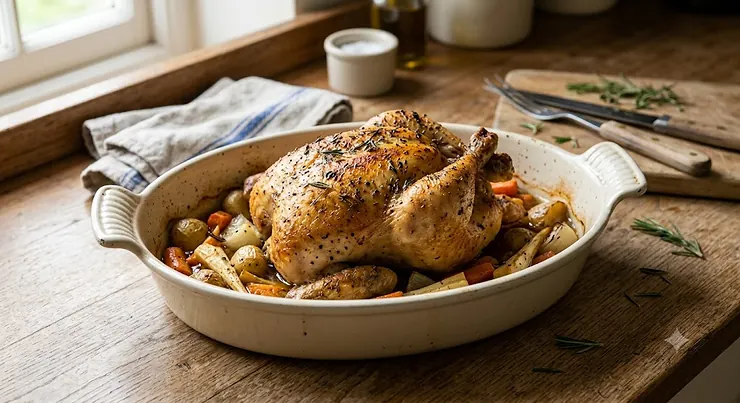
There’s a particular kind of kitchen chaos that only an oval casserole dish can fix. You know the one: a whole chicken that refuses to fit in anything round, a shoulder of lamb hanging over the edges of last year’s stockpot, a Sunday lunch that’s about forty minutes from disaster because nothing in your cupboard is the right shape. An oval casserole dish is, quite simply, a heavy-based, lidded cooking vessel shaped to match longer cuts of meat and whole birds, built to move from hob to oven to table without missing a beat. It solves the “wrong shape” problem that round pots create, and once you’ve cooked in one, going back feels like a downgrade.
This guide exists because the “best oval casserole dish” conversation online is, frankly, a bit thin. Most lists are recycled spec sheets dressed up as advice. What follows instead is a proper look at seven real, currently available options — spanning cast iron heavyweights, a lightweight glass alternative, and everything in between — with honest commentary on who each one actually suits. As Wikipedia’s entry on the Dutch oven notes, the international name for this style of cookware traces back to the French word for cooking pot, which explains why “casserole dish” and “dutch oven” get used almost interchangeably in the UK. We’ve dug into real specifications and aggregated customer sentiment rather than inventing glowing testimonials, because a £150 decision deserves better than marketing fluff.
Along the way, you’ll get a proper breakdown of how an oval dutch oven differs from a braiser, what actually matters when buying an oval cast iron casserole, and where a glass or ceramic dish for a whole bird makes more sense than reaching for cast iron at all. Whether you’re feeding two or catering a family of eight, there’s a shape and material combination here that fits your hob, your budget and your Sunday roast ambitions.
Quick Comparison Table
Before the deep dive, here’s the scannable version for anyone short on time. Every dish below is a genuine oval shape, suitable for whole birds and long roasting joints, though capacities and hob compatibility vary more than you’d expect.
| Dish | Material | Capacity | Best For |
|---|---|---|---|
| Le Creuset Signature Oval Casserole | Enamelled cast iron | 4.7L | Lifetime buyers, best all-rounder |
| Staub Oval Cocotte | Enamelled cast iron | 4.25L | Self-basting roasts, whole birds |
| ProCook Cast Iron Oval Casserole | Enamelled cast iron | 6.2L | Large families, budget cast iron |
| ProCook Shallow Oval Cast Iron | Enamelled cast iron | 3.9L | Braising, searing, serving |
| MasterClass Large Oval Cast Iron | Enamelled cast iron | 5L | Mid-range value |
| Amazon Basics Oval Dutch Oven | Enamelled cast iron | 5.9L | First-time cast iron buyers |
| Pyrex Oval Glass Casserole | Borosilicate glass | 5.8L | Lightweight, budget, oven-only |
Looking at the spread, capacity alone tells you surprisingly little — a 4.25 litre Staub cocotte and a 5.9 litre Amazon Basics dutch oven can both handle a 1.8kg chicken comfortably, because the oval footprint matters more than raw volume. What separates these dishes in practice is oven temperature ceiling, hob compatibility and how the enamel behaves after eighteen months of weekly use, all of which we unpack properly below.
💬 Already got a favourite in mind? Save this table and come back to it before you check out — a few extra minutes here saves years of regret.😊
Top 7 Oval Casserole Dishes: Expert Analysis
We’ve deliberately mixed premium French cast iron with genuinely good budget alternatives, because the “best” dish depends entirely on your cooking frequency, storage space and whether your wrists are up to lifting nine kilograms out of a low oven. Every entry below covers real specifications, honest analysis and aggregated review themes — not invented testimonials.
1. Le Creuset Signature Oval Casserole Dish, 29cm — the buy-it-for-life benchmark
Le Creuset’s 29cm Signature range sits at the top of most UK kitchens’ wish lists for good reason, and the standout here isn’t the colour palette — it’s the enamel itself. The interior enamel is designed to resist scratching from metal utensils, which matters more than it sounds, because it’s the single biggest failure point on cheaper enamelled cookware after a year of use.
At 29cm and 4.7 litres, this dish is generously sized for a 2kg bird with room for root vegetables around it, and the cast iron core means it holds temperature steadily once it’s hot, so a braise won’t cool the moment you open the oven door to baste. It’s made in France, suitable for all hob types including induction, and backed by a lifetime guarantee, which is unusual in cookware and tells you something about how confident the manufacturer is in the casting process.
Based on the spec comparison with cheaper enamelled dishes, what most buyers overlook is that Le Creuset’s enamel is thinner and lighter than some rivals per litre of capacity, meaning less dead weight to lift while still handling searing heat on the hob. Reviewers consistently note that the handles stay cool enough to grip briefly even straight from a hot oven, and that the dish transitions well from stovetop searing to slow oven braising without any drop in performance. Where verified aggregated feedback is thinner is around long-term colour retention on lighter shades, so buyers set on a pale interior colour should expect some staining with tomato-based sauces over years of use.
Pros:
- ✅ Lifetime guarantee backs the cast iron and enamel
- ✅ Suitable for all hob types, including induction
- ✅ Scratch-resistant enamel tolerates metal utensils
Cons:
- ❌ Among the priciest options in this list
- ❌ Pale interior colours can stain with acidic sauces
At around the £200-£300 range depending on colourway and retailer promotions, this is a genuine investment piece rather than an impulse buy, but the value case holds up if you cook one-pot meals weekly rather than twice a year.
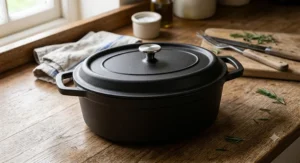
2. Staub Cast Iron Cocotte, Oval 29cm — best self-basting lid for whole birds
Staub’s oval cocotte earns its standout tag from the lid, not the pot. The underside is studded with small spikes — Staub calls it an “aroma rain” structure — that catch rising steam and drip it back down over the food evenly, rather than letting condensation pool at the edges the way a smooth domed lid does.
The 29cm size holds 4.25 litres, with a matte black interior enamel that’s genuinely built for searing: the slightly rough texture helps create a proper crust on meat before the braising liquid goes in, and it’s rated safe up to 250°C in the oven. What most spec sheets won’t tell you is that this textured interior develops a light seasoning-like patina over time from cooking fats, which improves non-stick behaviour the longer you own the dish — the opposite of what happens with a smooth enamel.
Aggregated review sentiment is strongly positive on cooking performance, with a recurring theme of customers specifically praising the oval shape for roasting a whole chicken or braising a pot roast, and several long-term owners describing it as their most-used piece of cookware even alongside other enamelled cast iron. The recurring complaint, honestly reported, concerns quality control on delivery — a minority of reviewers report arriving with small scratches or chips in the enamel, which is worth checking for immediately on unboxing, whichever retailer you buy from.
Pros:
- ✅ Self-basting lid genuinely improves moisture retention
- ✅ Textured interior enamel builds seasoning-like patina over time
- ✅ Handles double as an oven-to-table serving grip
Cons:
- ❌ Occasional delivery quality-control complaints on enamel finish
- ❌ Heavier in hand than the equivalent Le Creuset size
Expect to pay in the low-to-mid £200s at the time of research, positioning it as a direct rival to Le Creuset rather than a budget alternative — the choice between the two often comes down to lid design preference more than anything else.
3. ProCook Cast Iron Oval Casserole Dish, 30cm — best value for large families
This is the dish to reach for if you’re regularly cooking for six or more and don’t want to compromise on cast iron performance to get there. At 30cm and a genuinely large 6.2 litres, it comfortably fits a whole turkey crown or a large joint of beef alongside vegetables, which the 4-5 litre dishes on this list simply can’t manage.
The self-basting lid uses raised dots on the underside rather than Staub’s spike pattern, achieving a broadly similar moisture-locking effect at a noticeably lower price point. Enamel coats the dish inside and out, it’s rated to 260°C in the oven — higher than several premium rivals — and it works on every hob type including induction. Here’s what to weigh: ProCook backs the dish with a 25-year guarantee, a genuinely long warranty period for a mid-market brand, which suggests real confidence in the casting and enamel quality rather than a marketing gimmick.
Real customer feedback repeatedly describes the dish as heavy and sturdy, with specific praise for how evenly it cooks slow dishes like lamb shoulder and shepherd’s pie, and multiple reviewers mention returning to buy further pieces from the same range after first purchase — a reasonably strong signal of satisfaction. The main friction point in aggregated feedback is the sheer weight once full and hot, which some reviewers with limited grip strength or wrist mobility flag as a genuine consideration before buying.
Pros:
- ✅ Largest capacity on this list at 6.2 litres
- ✅ 25-year guarantee is unusually generous for the price
- ✅ Oven safe to 260°C, higher than most rivals
Cons:
- ❌ Very heavy once loaded, a concern for weaker wrists
- ❌ Bulky to store in smaller kitchens
Sitting in the £60-£90 range at the time of research, this is arguably the strongest value proposition in genuine enamelled cast iron on the UK market right now.
4. ProCook Shallow Oval Cast Iron Casserole Dish, 28cm — the braiser-style pick
Where the previous ProCook dish goes deep, this one goes wide. At 28cm and 3.9 litres, the shallow profile is closer in spirit to a braiser than a traditional deep casserole, with more surface area in contact with the base — ideal for browning multiple pieces of chicken thigh or searing a joint without overcrowding.
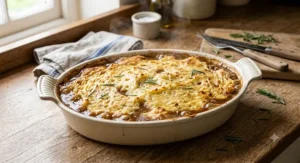
The trade-off is capacity for whole birds: this shape suits pot roasts, chicken cacciatore-style dishes and shepherd’s pie toppings better than a large whole turkey. Reviewers consistently frame it as their go-to for dishes that need a good sear followed by gentle simmering, rather than deep, liquid-heavy stews, and one recurring theme in aggregated feedback is genuine surprise at how well it handles baked, top-finished dishes like shepherd’s pie thanks to the wide, shallow cooking surface.
Based on the spec comparison with the deeper 30cm ProCook option, what most buyers overlook is that shallow dishes lose heat and liquid to evaporation faster during long oven braises, so recipes built for a deep dutch oven may need slightly more added liquid or a shorter oven time in this shape. Oven safety and hob compatibility match its deeper sibling, including induction and a 260°C ceiling, and it carries the same 25-year guarantee.
Pros:
- ✅ Wide sear surface browns meat evenly without crowding
- ✅ Genuinely doubles as a serving dish at the table
- ✅ Same 25-year guarantee as the deeper ProCook model
Cons:
- ❌ Too shallow for a large whole turkey or big bird
- ❌ Braising liquid reduces faster than in a deep dish
Priced similarly to its deeper sibling, in the £45-£70 range, this is the one to choose if braising and searing matter more to you than whole-bird capacity.
5. MasterClass Large Oval Cast Iron Casserole Dish, 5 Litres — solid mid-range value
MasterClass sits in the gap between budget and premium, and the 5 litre oval delivers genuinely useful capacity without premium-brand pricing. The vitreous enamel coating is explicitly rated as scratch-resistant enough for metal utensils, a detail that matters because it removes one of the more common anxieties first-time cast iron buyers have about damaging the interior.
Wide side handles are designed for comfortable grip even with thick oven gloves on, which becomes genuinely important once the dish is full of stew and coming out of a 200°C oven. It’s compatible with induction, gas, halogen, solid plate, radiant ring and ceramic hobs — essentially every domestic hob type sold in the UK — and the self-basting lid uses the same dimpled-underside principle as the premium brands, just executed at a friendlier price.
Aggregated customer sentiment describes the dish as well-made, sturdy and good value, with specific praise for its size when cooking large stock-based meals for a crowd. The durability feedback is more mixed than the premium brands: while most owners report years of reliable use, a minority mention surface rust developing over time, typically linked to inadequate drying after washing rather than a manufacturing fault — a maintenance point worth flagging honestly rather than glossing over.
Pros:
- ✅ Works on every common UK domestic hob type
- ✅ Scratch-resistant enamel suitable for metal utensils
- ✅ Wide handles genuinely easier to grip with oven gloves
Cons:
- ❌ A minority of owners report surface rust over time
- ❌ Enamel finish less refined than premium French brands
At roughly £50-£80 depending on retailer, this occupies sensible middle ground for someone upgrading from a basic pot without committing to premium pricing.
6. Amazon Basics Premium Enamelled Cast Iron Oval Dutch Oven, 5.9 Litres — best entry point
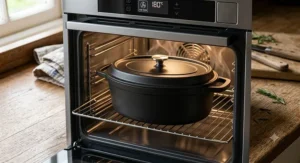
If you’ve never owned cast iron and aren’t sure it’ll earn its cupboard space, this is the low-risk way to find out. At 5.9 litres it’s roomy enough for a proper family roast, and the enamelled finish means no seasoning ritual before first use — you can cook with it the evening it arrives.
The oven-safe rating tops out at 204°C, noticeably lower than the 250-260°C ceiling on the premium and ProCook dishes in this list, which matters if your go-to recipes call for a hot sear finish or high-heat roasting rather than gentle braising. What the spec sheet won’t tell you, but reviewers note repeatedly, is that the lid’s studded underside mirrors the self-basting design found on far pricier dishes, delivering a similar moisture-retention effect despite the lower price point.
Real-world feedback is consistently strong on value for money, with owners specifically praising its performance for roast chickens, baked bread, casseroles and soups across both hob and oven use. The enamel quality is repeatedly described as impressively solid given the price, with several long-term owners reporting years of use without chipping. As with all enamelled cast iron, hand washing only is required, and the dish is noticeably heavy for its size once full, a trade-off shared with every cast iron dish on this list rather than a specific weakness of this one.
Pros:
- ✅ Strongest value-for-money score among cast iron options here
- ✅ No seasoning required before first use
- ✅ Handles everyday roasting, baking and stewing well
Cons:
- ❌ Lower oven-safe ceiling than premium and ProCook rivals
- ❌ Hand wash only, no dishwasher shortcut
Typically found in the £25-£45 range, this is the sensible first cast iron purchase for anyone still deciding whether the format suits their cooking style.
7. Pyrex Oval Glass Casserole Dish, 5.8 Litres — best lightweight, oven-only option
Every dish so far has been enamelled cast iron, and cast iron isn’t for everyone — it’s heavy, it needs hand washing, and it’s genuinely awkward for anyone with wrist or shoulder mobility issues. This Pyrex oval is the answer: borosilicate glass, a fraction of the weight, and fully dishwasher, microwave, fridge and freezer safe alongside conventional oven use up to 300°C.
At 5.8 litres it’s the second-largest capacity on this list, and being transparent, you can watch a bake browning or a stew reducing without lifting the lid and losing heat — a genuinely underrated advantage that cast iron simply can’t offer. Here’s what to weigh: glass cannot go on a hob or under a grill, and it isn’t induction compatible, so this dish is strictly an oven tool, not a stovetop-to-oven all-rounder like the cast iron options above.
Aggregated review sentiment consistently flags the dish as large enough to roast a whole chicken comfortably, with strong praise for build quality, ease of cleaning and value for money. The one recurring theme worth flagging honestly is lid fit: customer feedback is genuinely mixed here, with some owners reporting a snug, secure seal and others finding the lid sits slightly loose rather than clamping tight — worth bearing in mind if you plan to transport the dish with food inside.
Pros:
- ✅ Dramatically lighter than any cast iron option here
- ✅ Transparent body lets you monitor cooking without opening the oven
- ✅ Dishwasher, microwave, fridge and freezer safe
Cons:
- ❌ Cannot be used on a hob or under a grill
- ❌ Lid fit reported as inconsistent by some buyers
Priced attractively in the £20-£35 range at the time of research, this is the pragmatic choice for anyone who wants oval capacity without the cast iron commitment.
Practical Usage Guide: Getting the Most From Your New Dish
Buying the right oval casserole dish is only half the job — how you use it in the first month decides whether it lasts fifteen years or ends up chipped and sulking at the back of a cupboard. Start by ignoring any instinct to blast a cast iron dish over maximum heat when it’s empty; always add oil or liquid before the pan reaches temperature, since heating an empty enamelled dish is one of the fastest ways to stress and eventually crack the enamel coating. Preheat gradually, especially on induction, where power delivery is far more aggressive than gas.
For the first few uses, resist the dishwasher even if the manufacturer says it’s technically safe. Hand washing with warm soapy water and a soft sponge, then drying immediately and thoroughly, prevents the faint surface rust that several reviewers mentioned above flagged as an issue. A folded tea towel left underneath the lid while it’s stored also stops trapped moisture from pooling and causing that same rust over time, a small habit that costs nothing and adds years to the dish’s life.
The most common first-month mistake is using metal utensils on dishes that aren’t explicitly rated for it — check your specific model rather than assuming, since not every enamel finish tolerates a metal spoon scraping the base. Silicone or wooden utensils are the safe universal choice regardless of brand. Finally, avoid thermal shock: never place a hot dish straight onto a cold, wet surface or plunge it into cold water fresh from the oven, as the sudden temperature change is the single most common cause of enamel cracking across every brand covered in this guide.
Real-World Scenarios: Matching the Dish to Your Kitchen
The Sunday roast family of five. If a whole chicken or a joint of beef with all the trimmings is a weekly fixture, capacity and heat retention matter more than anything else. A pot for whole chicken duty needs genuine room around the bird for vegetables, which points toward the ProCook 30cm oval at 6.2 litres or the Le Creuset 29cm at 4.7 litres, both of which comfortably fit a 2kg-plus bird with space to spare.
The weeknight braiser in a small kitchen. If storage space is tight and most meals are pot roasts, chicken thighs or a good midweek stew rather than whole birds, the shallow ProCook oval or a similarly proportioned braiser-style dish makes more sense than a deep dutch oven — better searing surface, easier to store on its side in a cupboard, and genuinely lighter to lift daily.
The budget-conscious first-time buyer. Someone testing whether they’ll actually use an oval casserole dish regularly, rather than someone replacing a beloved but chipped family heirloom, is better served starting with the Amazon Basics oval dutch oven or the Pyrex glass option. Both let you establish the habit — and confirm the shape genuinely suits your cooking — before committing three figures to a lifetime piece.
The mobility-conscious cook. For anyone managing wrist, shoulder or grip strength limitations, cast iron’s weight is a real practical barrier, not a snobbish preference. The Pyrex oval glass dish, at a fraction of the weight of any cast iron option here, remains oven-safe up to 300°C and handles whole bird cooking pot duties without the lifting strain — a genuinely underrated recommendation for older cooks or anyone recovering from injury.
✨ Found your match already? Now’s the moment to check current availability before the colour or size you want sells out.
Buyer’s Decision Framework
If you’re still torn, work through this simply: if you cook one-pot meals for four or more people at least weekly, choose a deep oval cast iron casserole in the 5-6 litre range, because the investment pays back in years of reliable, even-heat cooking. If your kitchen leans toward searing, braising and shallow one-pot dishes rather than deep stews, choose a shallow braiser-style oval instead of a deep dutch oven, since the wider surface area suits that cooking style far better.
If weight, storage space or budget are genuine constraints rather than minor inconveniences, choose glass over cast iron — you’ll use a lighter dish more often than a heavy one gathering dust from reluctance to lift it. And if you’re simply unsure whether an oval shape suits your cooking at all, start at the budget end of cast iron or with glass, then upgrade to a premium French brand once you know the shape earns its cupboard space.
How to Choose an Oval Casserole Dish
Choosing well comes down to seven practical checks, each worth a moment’s thought before you commit.
- Measure your oven and hob first. A 30cm oval dish needs real clearance on both, and induction hobs specifically need a magnetic base — always check compatibility rather than assuming.
- Match capacity to your typical bird or joint size. As a rough guide, a 1.6-2kg chicken needs at least 4 litres of capacity with room for vegetables; anything larger benefits from the 5.5-6.5 litre range.
- Decide between deep and shallow profiles. Deep suits whole birds and liquid-heavy stews; shallow suits braising, searing and dishes finished under a grill.
- Check the oven-safe temperature ceiling. Budget cast iron often tops out lower than premium brands, which matters if your recipes call for high-heat roasting rather than gentle braising.
- Confirm hob compatibility explicitly. Glass and some ceramic dishes are oven-only; only enamelled cast iron and select stainless options handle hob-to-oven transitions.
- Weigh the dish, not just read the spec. A 6kg empty dish becomes genuinely awkward once loaded with food and hot from the oven — factor this in honestly against your own strength and mobility.
- Look at the guarantee length. A longer warranty, like ProCook’s 25 years, is a reasonable proxy for manufacturer confidence in the enamel and casting quality.
Oval Dutch Oven vs Oval Casserole Dish: What’s Actually Different
Here’s a genuinely common point of confusion: in UK usage, “oval casserole dish” and “oval dutch oven” overlap so heavily that most cookware brands use the terms almost interchangeably for the same enamelled cast iron pot. The naming split traces back through a very different etymological history involving 18th-century English brass and iron casting — different words for what is, in most modern kitchens, functionally the same object.
Where a genuine distinction exists, it’s usually about depth and intended use rather than naming. A true dutch oven tends to have taller, straighter sides built for deep liquid dishes, bread baking and even shallow deep-frying, while a casserole dish sold specifically for oven use — including glass and ceramic versions — is sometimes shallower and not always hob-safe. In practice, if you’re buying enamelled cast iron with an oval footprint and a tight-fitting lid, you’re buying the same core tool regardless of which name is printed on the box; the meaningful differences are in depth, capacity and oven temperature ceiling, all of which we’ve covered product by product above.
Braiser vs Casserole Dish: Which One Do You Actually Need
This is the comparison that trips up more buyers than any other, so it’s worth being precise. As The Kitchn’s comparison of braisers and Dutch ovens explains well, a braiser is deliberately shallow and wide, built to sear meat in a single layer without crowding before adding liquid and finishing gently in the oven; a standard oval casserole dish, or dutch oven, is deeper and better suited to fully submerging ingredients in liquid for stews, soups and whole-bird roasting.
The practical difference shows up the moment you try to fit a whole chicken: a braiser’s shallow walls genuinely can’t accommodate a tall bird, while a deep oval casserole handles it easily. Conversely, try browning four chicken thighs in a deep dutch oven and you’ll find yourself reaching awkwardly into the pot, whereas a braiser’s wide, shallow base lets you sear everything at once with the pan sitting flat on the hob. Neither tool fully replaces the other, which is why serious home cooks who braise regularly often end up owning both — but if you can only justify one, match it to whether your typical dish is liquid-heavy (choose deep) or sear-and-simmer (choose shallow).
Common Mistakes When Buying an Oval Casserole Dish
The single most common error is buying by price or brand recognition alone without checking oven-safe temperature ratings against your actual cooking style — a beautiful dish rated to only 200°C is a poor match for a recipe that finishes with a high-heat blast. Close behind is ignoring weight entirely at the point of purchase, only to discover a full, hot 6kg dish is genuinely difficult to lift safely out of a low oven.
Buyers also frequently underestimate capacity needs, choosing a 3.5 litre dish because it looked “about right” in photos, then finding it can’t accommodate a proper Christmas joint with vegetables around it. Assuming induction compatibility without checking is another recurring mistake, particularly with glass and some budget ceramic dishes that are oven-only. Finally, many buyers skip reading the washing instructions before purchase and are then disappointed to learn a premium dish is hand-wash only, adding daily friction that eventually pushes the dish to the back of the cupboard.
Long-Term Cost & Maintenance
Cast iron’s genuine advantage over cheaper alternatives is longevity: a well-maintained enamelled cast iron oval casserole, hand washed and dried properly, routinely lasts fifteen to twenty-five years or more, which works out at a genuinely low cost-per-use even for the premium French brands once you spread the price across a decade of Sunday roasts. Glass dishes are cheaper upfront but more vulnerable to thermal shock cracking and chipping at the edges over time, so their effective lifespan tends to run shorter, particularly in busy households.
Worth factoring in too: enamelled cast iron is compatible with induction hobs, and independent testing on induction efficiency suggests induction transfers a far higher share of energy directly into the pan than gas or ceramic, which can meaningfully reduce running costs for households that braise or slow-cook several times a week. Maintenance costs are modest across the board — no specialist cleaning products are required for any dish in this guide, just warm water, mild washing-up liquid and a soft sponge. The main ongoing cost consideration is enamel damage from metal utensils or dishwasher use on dishes not explicitly rated for it, since a chipped enamel interior can expose bare cast iron underneath, risking rust that’s difficult to reverse. Budgeting a little extra for wooden or silicone utensils from day one is a genuinely worthwhile false economy to avoid.
Features That Actually Matter (And Those That Don’t)
Oven-safe temperature ceiling, hob compatibility and enamel scratch-resistance are the three features worth prioritising, because they directly determine which recipes and cooking methods the dish can actually handle. A high guarantee length is a useful proxy for build confidence, and wide, glove-friendly handles matter more day-to-day than most buyers expect, particularly once a dish is heavy and hot.
Colour, by contrast, matters far less than marketing suggests — it has zero bearing on cooking performance and is purely a kitchen aesthetics choice. Similarly, an oval cast iron casserole marketed with elaborate lid patterns or decorative knobs rarely cooks meaningfully better than a simpler design; the self-basting principle works through the shape of the lid’s underside, not through visual flourishes. If a listing leans heavily on colour options and styling language rather than oven temperature ratings and hob compatibility, that’s usually a sign the practical specifications are less impressive than the marketing.
Safety, Hob Compatibility & Regulations Guide
Every dish in this guide should carry a CE or UKCA mark confirming it meets UK and EU safety standards for materials in contact with food — always check the product listing or packaging for this before buying from a smaller or unfamiliar brand. Enamelled cast iron and glass are both inert once fired or fully cured, meaning no chemical leaching into food under normal cooking conditions, which is one reason both materials remain the gold standard for slow-cooked family meals.
Food safety matters just as much as material safety, particularly with whole birds. According to the Food Standards Agency’s guidance on cooking food safely, poultry needs to reach a core temperature high enough, held for long enough, to kill harmful bacteria, and for a whole bird the thickest part of the thigh should show clear juices with no pink meat remaining — a visual check that works well alongside a probe thermometer for genuine confidence. This applies regardless of which dish you cook in; an oval casserole dish doesn’t change the safe cooking temperature, only how evenly and reliably that temperature is reached throughout the bird.
On hob compatibility specifically, induction users should always confirm a magnetic base before buying, since not every enamelled cast iron dish is induction-rated despite looking identical to ones that are. Glass and most ceramic oval dishes are strictly oven-only and should never be placed directly on any hob type or under a grill unless the manufacturer explicitly states otherwise.
Frequently Asked Questions
❓ What size oval casserole dish do I need for a whole chicken?
❓ Can I put an oval casserole dish on the hob?
❓ Is cast iron or ceramic better for an oval casserole dish?
❓ How do I stop the enamel chipping on my oval casserole dish?
❓ What's the difference between an oval roasting pot and an oval casserole dish?
Conclusion
An oval casserole dish earns its cupboard space faster than almost anything else in a British kitchen, provided you match the shape, depth and material to how you actually cook rather than how a photo looks online. The genuine standouts here span every budget: the Le Creuset and Staub ovals for buyers who want a lifetime piece and don’t mind paying for it, the ProCook range for anyone who wants real cast iron performance without premium pricing, MasterClass and Amazon Basics for confident first-time buyers, and the Pyrex glass option for anyone prioritising light weight and ease of cleaning over stovetop searing.
None of these seven is objectively “best” in isolation — the right choice depends entirely on whether Sunday roasts, weeknight braises or whole-bird cooking dominate your kitchen routine, and how much weight and washing-up effort you’re realistically willing to take on. Whichever you choose, the fundamentals matter more than the badge on the lid: check the oven-safe rating against your actual recipes, confirm hob compatibility before you buy rather than after, and treat the enamel gently from day one so it lasts the fifteen-plus years these dishes are genuinely capable of.
✨ Ready to Find Your Perfect Match?
🔍 Take your kitchen up a notch with one of the seven oval casserole dishes above. Click through to check current pricing and availability, and pick the shape and material that actually fits how you cook — not just how it photographs on a shelf.
Recommended for You
- Ceramic Casserole Dish: 7 Ultimate UK Picks for 2026
- Cast Iron Casserole Dish: 7 Best UK Picks for 2026
- Best Saucepan Set UK 2026: 7 Top Picks for Every Hob & Budget
Disclaimer: This article contains affiliate links. As an Amazon Associate, I earn from qualifying purchases. If you purchase products through these links, we may earn a small commission at no additional cost to you.
✨ Found this helpful? Share it with your friends! 💬🤗
